What can a 300-year-old irrigation system teach us about sustainability? In San Antonio, the answer flows through a quiet channel behind Mission San Juan—a historic lifeline that still nourishes the land today. Acequia irrigation—a Spanish colonial system still flowing in Texas—offers lessons for today’s farms.
🌊 What Is an Acequia?
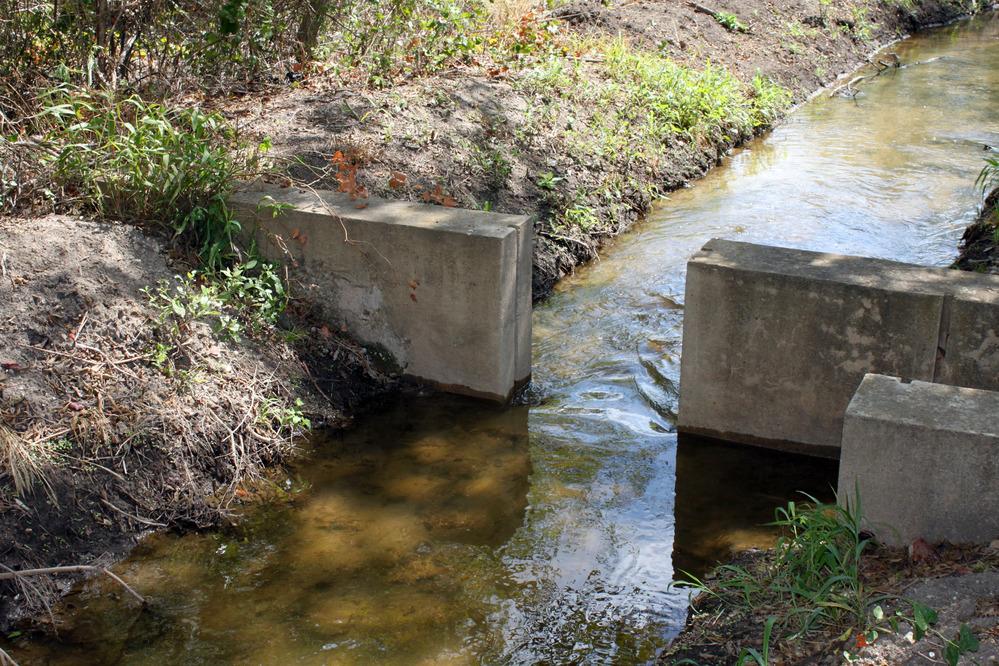
An acequia is a gravity-fed irrigation canal that diverts water from a river to farm fields. Built without pumps or electricity, acequias use the natural slope of the land to deliver water efficiently.
These channels, lined with earth or stone, were more than engineering—they were lifelines for communities in arid regions, ensuring crops could grow even during long dry spells.
🌍 From the Old World to the New: How Acequias Traveled to Texas
The story of acequias spans centuries and continents, blending knowledge from multiple civilizations:
- Middle East – Early Innovations: Ancient societies in Mesopotamia and Persia developed sophisticated irrigation systems using gravity, channels, and diversion dams to manage scarce water in arid climates. These techniques laid the foundation for community-based water sharing.
- Rome – Aqueduct Engineering: Roman engineers advanced water management by building aqueducts that transported water over vast distances. While designed for cities rather than farms, their principles of slope, flow control, and durable construction influenced later irrigation networks.
- Spain – Adapting and Exporting the Idea: When the Moors introduced Middle Eastern water practices to Spain during centuries of cultural exchange, acequias evolved into highly organized systems. Spanish settlers later brought this knowledge to the Americas in the 1500s, combining Moorish engineering with local Indigenous techniques to suit new landscapes.
By the time Spanish missionaries established the San Antonio Missions in the early 1700s, acequias were a proven solution for sustaining agriculture in dry regions—and they remain one of the most enduring legacies of that era.
🏛 Acequias in Texas: A Spanish Colonial Innovation
By the early 1700s, acequias irrigated thousands of acres around the San Antonio missions, sustaining both Spanish settlers and Native communities. Each mission had its own network, and Mission San Juan operated one of the most extensive systems, which still flows today.
At their peak, acequias around San Antonio stretched for miles, forming the backbone of local agriculture and settlement patterns.
Today, these waterways are recognized as part of the San Antonio Missions UNESCO World Heritage Site—the only one in Texas.
🔍 How Acequias Worked
The brilliance of acequias lies in their simplicity:
- Water was diverted from a river through a headgate into a main canal.
- Wooden gates controlled the flow into smaller distribution ditches.
- Farmers planted on berms, allowing water to soak evenly into the soil.
- Once a field was watered, gates were closed, and flow was redirected to the next plot.
This low-tech system required community cooperation—neighbors shared water and maintained the channels together, reinforcing social ties along with crops .
🌿 Still Flowing Today: Mission San Juan’s Acequia
Behind Mission San Juan Capistrano, the acequia continues to carry water, restored and maintained as part of the site’s heritage. But this isn’t just a relic—it’s in active use.
The San Antonio Food Bank, which cultivates 50 acres here, still uses acequia water alongside drip irrigation. Visitors on farm tours can watch the system in action and even see where wooden gates once managed water flow, much as they did centuries ago
🌱 Why Acequias Still Matter
In an era of climate uncertainty, acequias offer lessons that feel surprisingly modern:
- Energy Efficiency: No pumps or electricity—gravity does the work.
- Water Conservation: Slow, controlled flow reduces waste and evaporation.
- Resilience: Works even during power outages or equipment failures.
These principles align closely with regenerative agriculture, where low-impact systems protect both soil and water resources.
As Mitch Hagney, Director of Food Sustainability for the San Antonio Food Bank, explains:
“Local, place-based irrigation isn’t just history—it’s our tool for resilience in a warming climate.”
—Mitch Hagney, Director of Food Sustainability, San Antonio Food Bank (Ensemble Texas Podcast)
👀 Where to See an Acequia in Texas
The most accessible—and educational—place to experience an acequia today is Mission San Juan in San Antonio.
- Walk along restored channels that date back over 300 years.
- Learn how they irrigated Spanish Colonial fields and why they still matter for climate-smart farming.
- See crops like nopal cactus, figs, and amaranth growing with help from these historic waterways.
📍 Book a Mission San Juan Farm Tour →
Your visit supports the San Antonio Food Bank’s mission to fight hunger and teach sustainable farming.
💡 Lessons for the Future
As Texas faces hotter summers and longer droughts, acequias remind us that innovation isn’t always new—it’s often old wisdom, rediscovered. Gravity-fed canals, community-based water sharing, and resilient crop choices may once again shape the future of farming.
Because sustainability isn’t just about technology—it’s about stewardship.
✅ References
- National Park Service: Acequias in San Antonio Missions
- UNESCO World Heritage Centre: San Antonio Missions
- Texas A&M AgriLife: History of Irrigation in Texas
- Texas Beyond History: Mission Agriculture and Water Systems